
Հրապարակում
Թուրք-քրդական հաշտեցման ընթացիկ ճգնաժամի մասին (դեկտեմբեր, 2025 թ.)

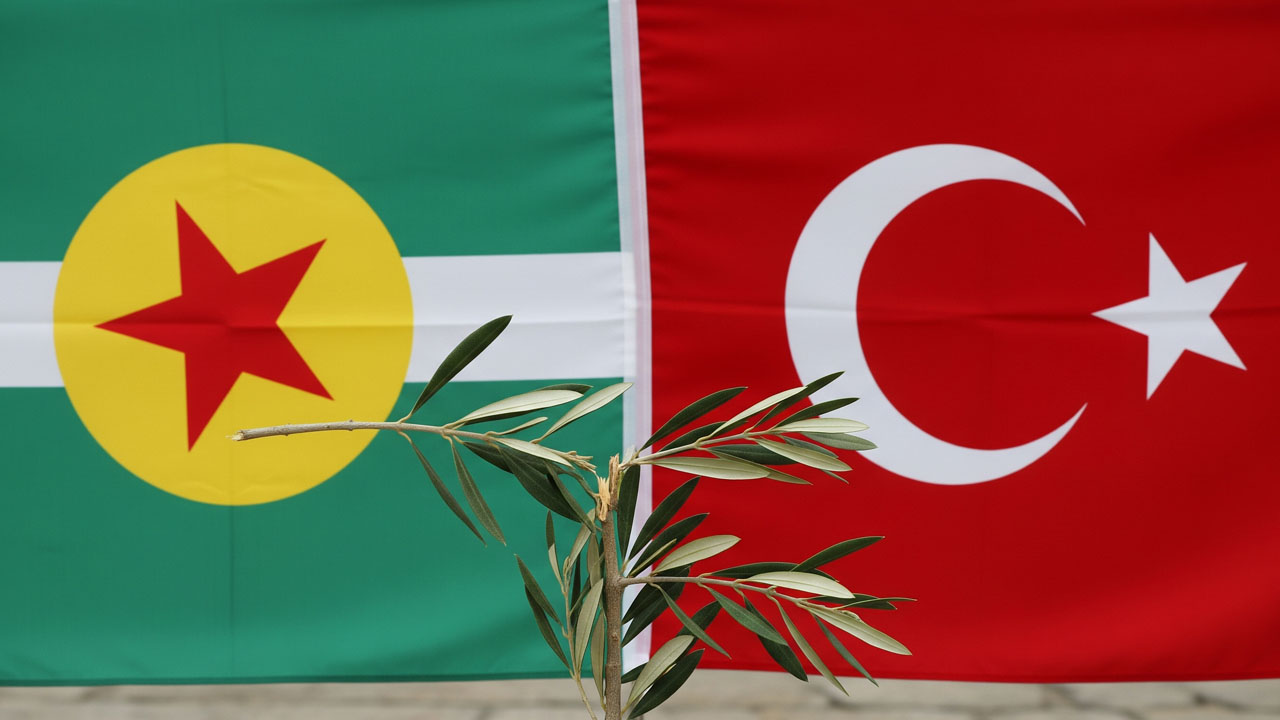
ԱՌՎԱԿ կենտրոնի մեկնաբանությունը, 10.12.2025 թ. [1]
2025 թվականի նոյեմբերի վերջին Քրդստանի աշխատավորական կուսակցությունը (ՔԱԿ) վերջնագիր ներկայացրեց Թուրքիայի Հանրապետությանը՝ պահանջելով համաներում և իր հիմնադիր ու գաղափարախոս Աբդուլլահ Օջալանի ազատ արձակում։ Որպես փաստարկ՝ ՔԱԿ-ը մատնանշել է կազմակերպության կողմից երկկողմ խաղաղության համաձայնագրի շրջանակներում իր պարտավորությունների կատարումը։ Այդ պահանջները չկատարելու դեպքում կուսակցությունը սպառնացել է դադարեցնել թուրք-քրդական ապասրացման գործընթացի պայմանների պահպանումը։ Այս մասին AFR լրատվական գործակալությանը հայտնել է ՔԱԿ-ի հրամանատարներից Ամեդ Մալազգիրթը, ով տեղակայված է Հյուսիսային Իրաքի Քանդիլի լեռնաշղթայում։ Բարձրաստիճան քուրդ հրամանատարը նաև հայտարարել է, որ Անկարան պետք է պաշտոնական և սահմանադրական մակարդակում «ճանաչի Թուրքիայի քուրդ ժողովրդին»։
ՔԱԿ-ի հայտարարությունը հաստատեց խաղաղ գործընթացի հարաճուն ապակայունացման վերաբերյալ ԱՌՎԱԿ կենտրոնի ավելի վաղ հնչեցրած գնահատականները։ Գործընթացը նախատեսում էր քրդական առավել ազդեցիկ ռազմականացված կառույցի դեմիլիտարիզացիան՝ Օջալանին ազատ արձակելու և ՔԱԿ-ի գործունեությունը բացառապես քաղաքական հարթություն տեղափոխելու դիմաց։
Ակնհայտ է, որ Անկարան և ՔԱԿ-ը պայմանավորվել էին իրենց պարտավորությունները կատարել զուգահեռ ռեժիմով՝ հավատարիմ մնալով որոշակի «ճանապարհային քարտեզի», որը կանոնակարգում է կողմերի քայլ առ քայլ իրականացվող գործողությունները։ Քրդական հրամանատարության պնդմամբ՝ Թուրքիան խախտել է այդ կանոնակարգը, շարունակելով Աբդուլլահ Օջալանի մեկուսացումը Իմրալի կղզու քրեակատարողական հիմնարկում, այն դեպքում, երբ նրան ազատ արձակելու համար ՔԱԿ-ը բավարար կատարում էր ցուցաբերել թուրքական պայմաններին։
Իր հերթին, թուրքական կողմը, հնարավոր է, կարծում է, որ հենց ՔԱԿ-ն է, որ բավականաչափ ակտիվորեն չի կատարում պայմանների իր մասը և թաքցնում է կազմակերպության ռազմականացված թևի իրական ներուժը՝ հանուն Անկարայի հետ խաղաղության զոհաբերելով ռազմական զինանոցի միայն մի փոքր մասը։ ԱՌՎԱԿ կենտրոնն իր նախորդ հրապարակումներում արդեն նշել էր, թե ինչպես էր ընդհանուր առմամբ դանդաղ ընթանում քրդական ջոկատների զինաթափման գործընթացը, և ինչպես էին զգալի թվով քուրդ մարտիկներ, որոնք համաձայն չէին ՔԱԿ-ի քաղաքական թևի «խաղաղ ուղեգծին», Թուրքիայից և Իրաքից տեղափոխվել Սիրիական Ռոժավա (Հյուսիսային և Արևելյան Սիրիայի ինքնավար վարչակազմ)։ Հաշվի առնելով դա՝ կարելի է ենթադրել, որ Անկարան բավարարված չէ ստեղծված իրավիճակով և մտավախություն ունի, որ Ա. Օջալանի խոստացված ազատ արձակումը ոչ միայն չի նպաստի հաշտեցման հետագա գործընթացին, այլև, ընդհակառակը, կարող է նոր լայնածավալ քրդական զինված ազատագրական շարժում հրահրել։
Այսպես թե այնպես, թուրք-քրդական խաղաղ գործընթացը գտնվում է կա՛մ վերջնական տապալման վիճակում, կա՛մ դրա շեմին։ Դրան նպաստում են երկու հիմնարար պատճառներ.
Նախ, կողմերը փոխադարձաբար ի վիճակի չեն հաղթահարել հաստատութենական և հոգեբանական անվստահությունը, որը պայմանավորված է հաշտության բազմաթիվ ձախողված փորձեր ներառող հակամարտության երկարատև և բազմազան ուղղվածություններ ունեցող պատմությամբ։ Նման նախաձեռնություններից վերջինը տեղի է ունեցել 2013-2015 թթ. ընթացքում, սակայն այն նույնպես տապալվել է, քանի որ ՔԱԿ-ի քաղաքական ղեկավարությունը չի կարողացել համախմբել իր բոլոր խմբակցություններին՝ թուրքական կողմի հետ համաձայնագրի չափորոշիչների անվերապահ կատարման համար։ Միաժամանակ, թուրքական իշխանությունները դաժան հալածանքի միջոցներ են նախաձեռնել իրենց տարածքի քուրդ բնակչության դեմ, որոնք մի շարք վայրերում հանգեցրել են հակաահաբեկչական պայքարի պատրվակով քաղաքացիական անձանց ոչնչացման գործողությունների։
Երկրորդ՝ ընթացիկ խաղաղ գործընթացի նախաձեռնումը ժամանակավրեպ էր տարածաշրջանային իրադրության տեսանկյունից, որը բնութագրվում է արմատական աշխարհաքաղաքական տեղաշարժերով և Մերձավոր Արևելքում ուժերի նոր հավասարակշռության ձևավորմամբ։ Անկարան, ըստ երևույթին, ստիպված էր քրդերին հակամարտության խաղաղ կարգավորում առաջարկել հենց այս ժամանակահատվածում՝ վախենալով, որ տարածաշրջանային սահմանների վերաձևավորումը կարող է «Մեծ Քրդստանի» ստեղծում ենթադրել։ Այդ նախագիծը Թուրքիայում մեկնաբանվում է որպես ԱՄՆ-ի և Իսրայելի երկարաժամկետ ռազմավարական ծրագիր։ Խոսքը քրդերի հոծ բնակության ողջ շրջատարածքում (Թուրքիա, Սիրիա, Իրաք և Իրան) քրդական պետականության ճանաչման տեսական նախագծի մասին է (որը շատ փորձագետների կողմից դիտարկվում է որպես դավադրաբանական պատում)։ Այս մեկնաբանության կողմնակիցները կարծում են, որ ԱՄՆ-ը և Իսրայելն այդ արդյունքում ձեռք կբերեն Մերձավոր Արևելքում հուսալի և մարտունակ ռազմավարական դաշնակից, որը կկարողանա պաշտպանել նրանց կենսական շահերը տարածաշրջանում պանարաբիզմի, թուրքական նեոօսմանիզմի և իրանական պանշիիզմի սպառնալիքներից։ Հաշվի առնելով, որ ՔԱԿ-ը գաղափարապես հիմնադրված, այլ ոչ թե տոհմային կառույց է և քրդական միջավայրում ունի առավել արդյունավետ մարտական ջոկատներ, Անկարայի տագնապը հիմնավոր է դիտարկվում։
Հավանական է, որ Անկարան ձգտում էր իրականացնել կանխարգելիչ միջոցառումների ռազմավարություն («առաջանցիկ խաղ») և ստեղծել քրդերի հետ կառուցողական քաղաքական երկխոսության հարթակ, որը, նույնիսկ չհանգելով թուրք-քրդական հարցի լիարժեք կարգավորմանը, առնվազն նվազագույնի կհասցներ ամբողջ տարածաշրջանում համաքրդական լայնածավալ զինված ապստամբության ռիսկը, ինչը տեսականորեն աջակցվում է արևմտյան պետությունների և Իսրայելի կողմից։ Այսպիսով, կարելի է առաջ քաշել այն վարկածը, որ Անկարան հենց այս ժամանակագրական շրջանում է «խաղաղ գործընթաց» ու քաղաքական երկխոսություն նախաձեռնել՝ քրդերին և նրանց առավել նշանակալի կառույցին՝ ՔԱԿ-ին, նոր լայնածավալ հակաթուրքական ելույթի կազմակերպման դրդապատճառից ետ պահելու, ինչպես նաև կլանային և քաղաքական խմբակցությունների միջև ներքրդական հակասություններ սերմանելու համար՝ խոչընդոտելով նրանց համախմբմանն իսրայելա-արևմտյան ծրագրերի համատեքստում։
Սակայն, մյուս կողմից, թուրքական «կանխիչ ռազմավարությունը», որը համընկել է Սիրիայում, Պաղեստինում և Լիբանանում ռազմաքաղաքական կազմաքանդման հետ, առարկայական պատճառներով ի վիճակի չէ Անկարայի համար ապահովել անհրաժեշտ սիրիական, իրաքյան և, առավել ևս, թուրքական քրդերի ռազմաքաղաքական ապաակտիվացումը։
Անկախ «Մեծ Քրդստանի» նախագծի իրական գոյությունից, քրդական գործոնն արդեն վերածվել է ուժի գլոբալ կենտրոնների տարածաշրջանային քաղաքականության ռազմավարական նշանակություն ունեցող տարրի։ Այդ կենտրոնները ձգտում են Իրանի և Ռուսաստանի դուրս մղումից հետո մեծացնել իրենց ազդեցությունը տարածաշրջանում։ Ներկայումս քրդական օրակարգն առանձնահատուկ հետաքրքրություն է ներկայացնում ԱՄՆ-ի, նրա արևմտյան դաշնակիցների և Իսրայելի համար՝ տարածաշրջանի աշխարհաքաղաքական նոր ճարտարապետության կառուցման համատեքստում, որտեղ այդ էթնիկ խումբն արդեն հավակնում է վերոնշյալ ուժային կենտրոնների կարևոր դաշնակցի կարգավիճակին։ Այս պայմաններում թուրքական «խաղաղ նախաձեռնությունը», հնարավոր է, Անկարային կարճաժամկետ մարտավարական օգուտներ է բերել, սակայն երկարաժամկետ ռազմավարական հեռանկարում հազիվ թե համահարթեցնի հարաճուն տարածաշրջանային սպառնալիքը։ Ակնհայտ է, որ տարածաշրջանում նոր էական վերափոխումներ կանխատեսելով՝ ոչ թուրքական իշխանությունները, ոչ ՔԱԿ-ի ռազմաքաղաքական վերնախավը մեծ հույսեր չեն տածում «խաղաղ գործընթացի» վերաբերյալ։ Սրանից հետևում է, որ Աբդուլլահ Օջալանը, ամենայն հավանականությամբ, ազատ չի արձակվի, իսկ քրդական զինված կազմավորումներն ինքնակամ չեն զինաթափվի։
[1] Նյութի բնօրինակը (ռուս.) հրապարակվել է մեր կայքէջում 08.12.2025 թ.: